
Interest in red light therapy continues to grow as more patients look for supportive wellness treatments that fit into a proactive care plan. Red light therapy is known for its gentle nature and broad applications across skin health recovery and overall wellness. Understanding what happens during sessions and how results progress helps patients decide if this therapy aligns with their goals.
At Monica Lominchar, MD, red light therapy is offered within a concierge medicine setting that values education, personalization, and long-term health support. Knowing what to expect before starting treatment builds confidence and clarity.
Red light therapy uses specific wavelengths of red and near-infrared light that penetrate the skin and interact with cells. These wavelengths are absorbed by mitochondria, which play a role in cellular energy production.
Cellular energy supports repair, circulation, and balance across many tissues. Because this process works at a biological level, red light therapy feels calm and non-aggressive compared to many other wellness treatments.
Preparation for a session is simple. Skin is typically clean and free of heavy products. Comfortable clothing is recommended depending on the area being treated.
A provider reviews goals and determines treatment duration and placement. Sessions are designed to fit into busy schedules without complicated preparation steps.
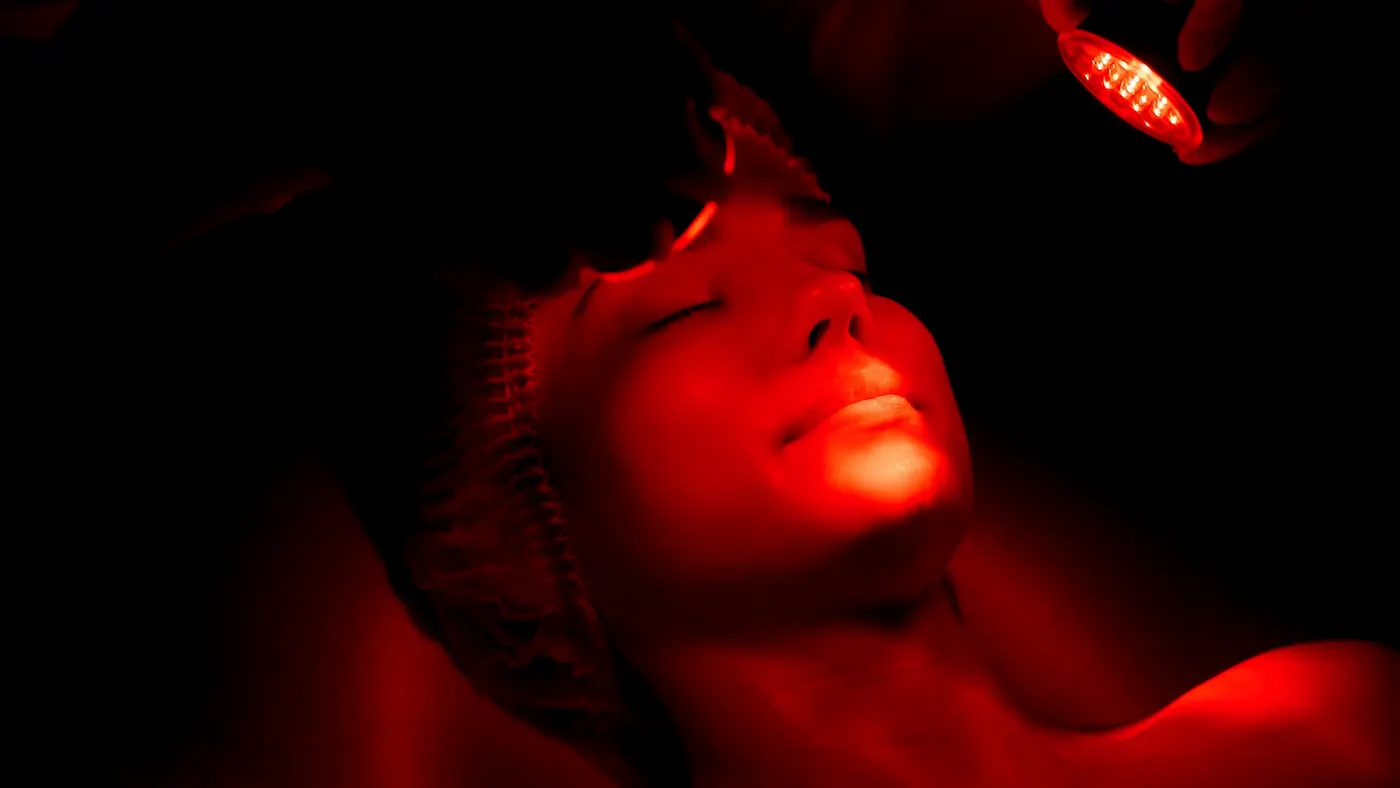
During treatment, the body is positioned near a red light therapy device. The light is directed toward targeted areas based on individual needs.
Most patients feel gentle warmth or a soothing sensation. There is no pain, vibration, or pressure involved. Many people describe sessions as relaxing and often use the time to rest.
Sessions usually last between ten and twenty minutes, depending on treatment goals.
Safety is a key reason patients choose red light therapy. The light used does not damage the skin or cause burns when administered correctly.
Protective eyewear may be provided when treating areas near the face. Providers monitor positioning and duration to support comfort throughout the session.
There is no recovery time required afterward.
Following a session, patients return to normal activities immediately. Skin may appear slightly warm or flushed for a short period.
There are no restrictions on exercise bathing or daily routines unless otherwise advised. This convenience makes red light therapy easy to integrate into wellness plans.
Treatment frequency varies based on individual goals. Some patients schedule sessions several times per week during an initial phase.
Others choose weekly or biweekly visits for ongoing support. A provider helps determine an appropriate schedule based on response and desired outcomes.
Consistency plays an important role in how benefits develop.
Results from red light therapy are gradual. Some patients notice subtle improvements, such as increased relaxation or reduced tension, early on.
Visible skin changes and recovery support often develop over several weeks. Cellular processes take time to respond and adapt, which explains the progressive nature of results.
Patience supports realistic expectations.
Red light therapy supports a range of outcomes depending on the focus of treatment.
Improved tone and a refreshed look may appear as circulation and cellular activity improve.
Some individuals report improved comfort following consistent sessions that support tissue recovery.
Cellular energy support may contribute to overall feelings of balance and vitality.
Outcomes vary and depend on consistency and individual biology.
Benefits often continue with regular sessions. Because red light therapy supports ongoing cellular processes, maintenance sessions help sustain progress.
Lifestyle factors such as sleep, hydration, nutrition, and stress influence how results are experienced. A wellness-focused approach supports lasting benefit.
Red light therapy differs from treatments that rely on heat pressure or invasive techniques. It works quietly at a cellular level without triggering inflammation.
This gentle nature makes it suitable for repeated use and for individuals seeking supportive care rather than aggressive intervention.
Combination approaches may be considered within a broader wellness plan.
Red light therapy appeals to individuals seeking noninvasive wellness support.
Common candidates include those who:
A consultation helps align expectations with realistic outcomes.
Red light therapy supports wellness rather than immediate dramatic change. Gradual improvement often feels more natural and sustainable.
Clear communication about timelines helps patients stay engaged and confident during the process.
Concierge medicine allows red light therapy to fit into a personalized health strategy. Treatments are selected based on individual goals rather than trends.
This integration supports a comprehensive approach to wellness that values long-term consistency.
Daily habits influence how the body responds to therapy.
These factors complement red light therapy and support cellular health.
Proper use of red light therapy depends on wavelength, duration, and placement. Professional oversight supports safe, effective sessions.
Guidance also helps determine when adjustments are needed based on the response.
At Monica Lominchar, MD, in Charleston, SC, red light therapy is offered within a concierge care model that emphasizes individualized planning and patient education. Each session fits into a broader focus on proactive wellness.
Patients receive thoughtful guidance and ongoing support rather than one-size-fits-all approaches.
If you are curious about red light therapy and want to explore how sessions may support your wellness goals, schedule a consultation with Monica Lominchar, MD, in Charleston, SC. Understanding what to expect is the first step toward receiving confident and informed care.
